
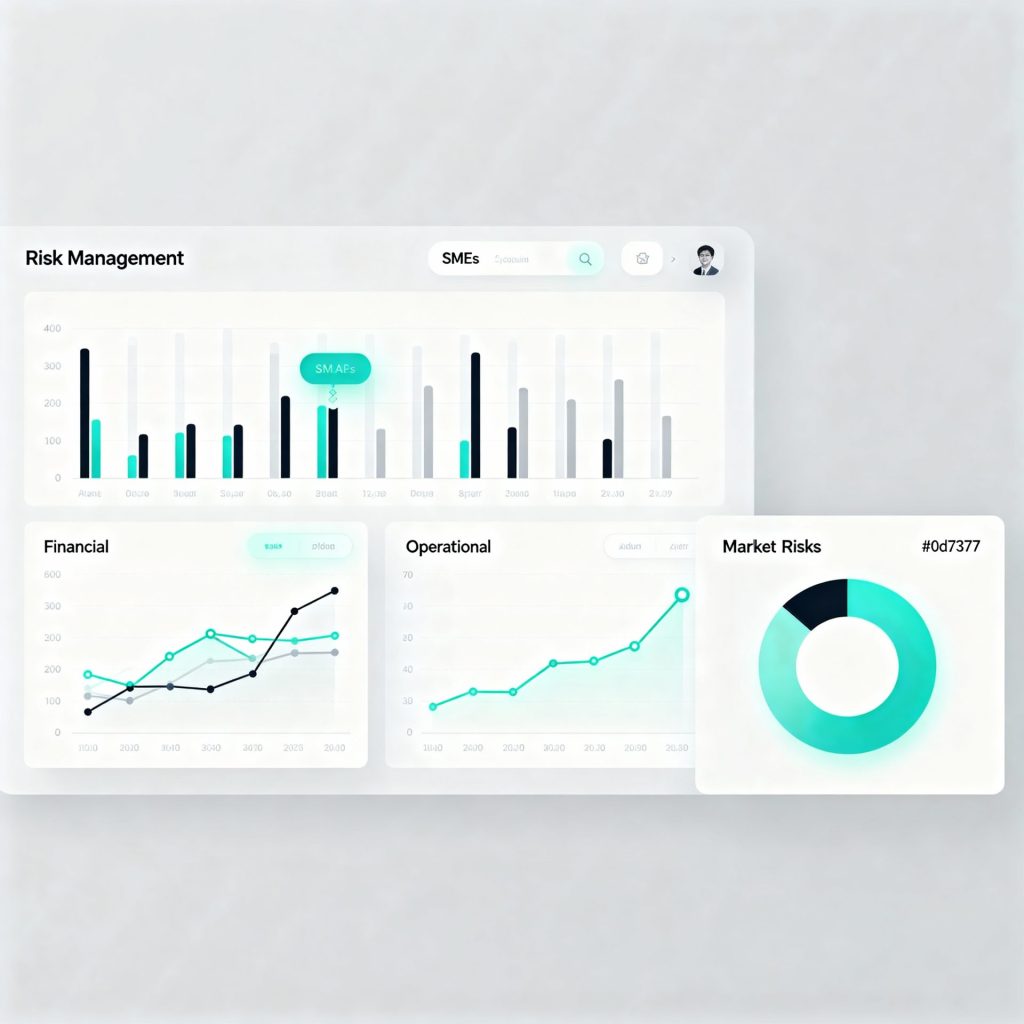
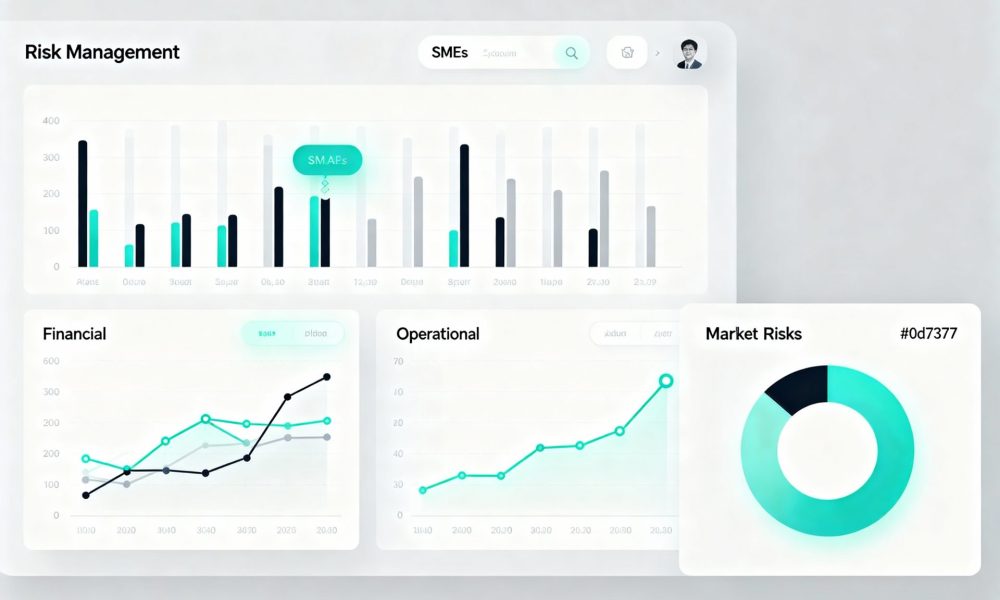
Structured risk management that reflects reality
Protects helps you identify, assess and prioritise risks based on how your organisation actually operates - not abstract models.
Risks are tracked over time, with visibility into ownership, mitigation status, and improvement trends.
Risks are tracked over time, with visibility into ownership, mitigation status, and improvement trends.

Clear, current documentation
Policies and records are maintained in one place, aligned to how your organisation works today - not how it worked two years ago.
Documentation supports audits, client due diligence, supplier assurance and internal governance - without constant rewriting or consultant dependency.
Documentation supports audits, client due diligence, supplier assurance and internal governance - without constant rewriting or consultant dependency.
Supplier and third-party oversight
Protects supports proportionate third-party risk management through structured assurance questionnaires, evidence collection, and linkage to your risk register.
Supplier risk stays visible, reviewed and defensible.
Supplier risk stays visible, reviewed and defensible.

People risk addressed properly
Training and awareness are built in - not bolted on.
Protects helps you demonstrate that staff are trained appropriately, understanding is checked, learning is refreshed, and evidence is available.
Protects helps you demonstrate that staff are trained appropriately, understanding is checked, learning is refreshed, and evidence is available.